
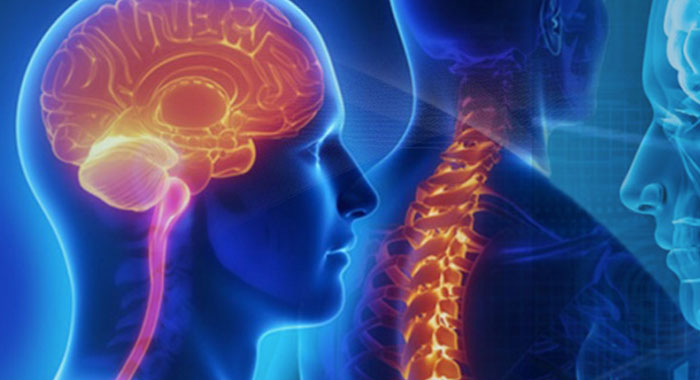
When people use the phrase “it is not brain surgery” to describe a simple task, they are inadvertently paying homage to one of the most complex, unforgiving, and sophisticated fields in modern medicine. Neurosurgery is the medical specialty concerned with the prevention, diagnosis, surgical treatment, and rehabilitation of disorders affecting the entire nervous system. This includes the brain, spinal cord, central and peripheral nervous system, and the cerebrovascular system.
At the center of this high-stakes discipline is the neurosurgery doctor, often referred to simply as a neurosurgeon. These physicians do not just operate on the brain; they are masters of the intricate biological circuitry that dictates human movement, thought, sensation, and life itself. To understand their world is to understand a profound intersection of cutting-edge technology, extreme physical precision, and immense emotional resilience.
The Extensive Path to Becoming a Neurosurgeon
The journey to practicing neurosurgery is notoriously long and rigorous, demanding a level of dedication that few other professions require. In the United States, the timeline from high school graduation to a fully licensed, practicing neurosurgeon typically spans a minimum of 14 to 16 years.
Undergraduate and Medical Education
The process begins with a four-year bachelor’s degree, usually focusing on pre-medical sciences such as biology, chemistry, or neuroscience. Aspiring surgeons must maintain an exceptional grade point average and score highly on the Medical College Admission Test to secure a spot in an accredited medical school. Medical school takes another four years, dividing time between intensive classroom education in the anatomical sciences and clinical rotations across various medical specialties.
Residency Training
Upon earning a Doctor of Medicine or Doctor of Osteopathic Medicine degree, graduates must match into a neurological surgery residency program. This is where the true crucible begins. A neurosurgery residency in the United States lasts a mandatory seven years, making it one of the longest residency programs in the medical field. During this time, residents work grueling hours, transitioning from supervised learners to independent operators. They log thousands of hours in the operating room, managing trauma, complex spine cases, and brain tumor resections.
Fellowship and Board Certification
Many neurosurgeons choose to pursue an additional one-to-two-year fellowship after residency to specialize in a specific sub-discipline. Finally, to practice at the highest standard, they must pass rigorous written and oral examinations administered by the American Board of Neurological Surgery to achieve board certification.
Subspecialties Within Neurological Surgery
Neurosurgery is too vast for a single physician to master every nuance with equal depth. As a result, the field is divided into several highly specialized sub-disciplines.
Neuro-Oncology
This subspecialty focuses on benign and malignant tumors of the brain and spinal cord. Neuro-oncological surgeons work closely with medical oncologists and radiation oncologists to treat complex glioblastomas, meningiomas, and metastatic tumors that have spread from other parts of the body.
Functional Neurosurgery
Functional neurosurgeons treat conditions that alter the movement or signaling of the nervous system. This includes managing epilepsy, movement disorders like Parkinson’s disease, and chronic pain syndromes. They utilize advanced techniques like Deep Brain Stimulation, where electrodes are permanently implanted into specific brain structures to regulate abnormal electrical impulses.
Cerebrovascular Neurosurgery
These specialists deal with the blood vessels supplying the brain and spinal cord. They treat potentially life-threatening conditions such as brain aneurysms, arteriovenous malformations, and ischemic or hemorrhagic strokes. Many cerebrovascular specialists are also trained in endovascular techniques, allowing them to navigate the blood vessels using minimally invasive catheters.
Pediatric Neurosurgery
Operating on the developing nervous system of infants, children, and adolescents requires specialized training and a distinct clinical approach. Pediatric neurosurgeons treat congenital birth defects like spina bifida, hydrocephalus, craniosynostosis, and pediatric brain tumors.
Spine Surgery
While orthopedic surgeons also perform spine surgery, a vast majority of neurosurgeons devote a significant portion of their practice to the spine. They treat degenerative disc diseases, spinal stenosis, spinal cord tumors, and traumatic spine fractures, balancing the mechanical stability of the spinal column with the preservation of delicate nerve roots.
A Day in the Life: Inside and Outside the Operating Room
The daily routine of a neurosurgeon is unpredictable, demanding, and highly varied. It balances intense technical execution in the operating room with empathetic patient interaction in the clinic and critical decision-making in the intensive care unit.
Morning Rounds and Surgical Preparation
A neurosurgeon’s day typically begins in the early hours of the morning, often around 6:00 AM. The first task is conducting rounds on hospitalized patients, assessing those who have recently undergone surgery, and checking on patients admitted through the emergency department with traumatic brain or spine injuries.
Before stepping into the operating theater, the surgeon spends time reviewing pre-operative imaging. High-resolution magnetic resonance imaging scans and computed tomography scans act as structural roadmaps. In modern neurosurgery, these scans are loaded into intraoperative navigation systems, which function like a global positioning system for the patient’s anatomy.
In the Operating Room
Once in the operating room, the atmosphere is one of intense focus. A single surgical case can last anywhere from two hours to upwards of twelve hours, depending on the complexity. Neurosurgeons routinely utilize high-powered surgical microscopes to illuminate and magnify deep brain structures, working with instruments that are often millimeters wide. Throughout the procedure, the surgeon must maintain absolute manual stability, as a deviation of a single millimeter can result in profound, permanent neurological deficits for the patient.
Clinical Consultations and On-Call Demands
When not operating, neurosurgeons see patients in an outpatient clinic setting. Here, they evaluate new patients, review diagnostic tests, discuss non-surgical treatment options, and obtain informed consent from those who require surgery.
Additionally, neurosurgeons participate in rigorous on-call schedules. Emergency room trauma cases, such as acute subdural hematomas from car accidents or ruptured aneurysms, require immediate, life-saving surgical intervention regardless of the hour.
Advanced Technological Innovations Changing the Field
Modern neurosurgery is deeply intertwined with technological innovation. The tools available today allow surgeons to access areas of the brain once deemed completely inoperable.
-
Intraoperative MRI (iMRI): This technology allows surgeons to take real-time MRI scans of the patient’s brain while the operation is still ongoing. It helps confirm whether a tumor has been completely removed before the surgical incision is closed.
-
Stereotactic Radiosurgery: Despite the name, this is a non-invasive treatment that delivers highly focused beams of radiation to targeted tumors or vascular malformations in the brain, minimizing damage to the surrounding healthy tissue.
-
Exoscopes and 3D Visualization: Moving beyond traditional microscopes, modern operating rooms increasingly feature high-definition 3D digital exoscopes. Surgeons wear specialized glasses and look at large monitors, providing unprecedented clarity and depth perception.
-
Brain-Computer Interfaces: Neurosurgeons are at the forefront of implanting devices that allow paralyzed patients to control external computers or robotic limbs using only their thoughts, bridging the gap between biology and engineering.
Frequently Asked Questions
What is the difference between a neurologist and a neurosurgeon?
A neurologist diagnoses and treats neurological disorders using non-surgical methods, such as medications, physical therapy, and lifestyle modifications. A neurosurgeon is trained to provide both non-surgical and surgical interventions when a structural abnormality or trauma requires physical repair, removal, or stabilization of the nervous system.
How do neurosurgeons minimize damage to healthy brain tissue during tumor removal?
Neurosurgeons utilize several advanced techniques, including intraoperative brain mapping, which involves testing brain functions while the patient is awake during specific portions of the surgery. They also use neuronavigation systems, intraoperative ultrasound, and fluorescent dyes that cause tumor cells to glow under specific light, clearly differentiating them from healthy brain tissue.
What is hydrocephalus and how does a neurosurgeon treat it?
Hydrocephalus is an abnormal accumulation of cerebrospinal fluid within the ventricles of the brain, which can create dangerous pressure. Neurosurgeons typically treat this by implanting a shunt system that diverts the excess fluid to another part of the body, such as the abdomen, where it can be safely reabsorbed into the bloodstream.
Can a neurosurgeon help with chronic back pain that does not involve an injury?
Yes. Chronic back pain caused by degenerative conditions, such as herniated discs, spinal stenosis, or spondylolisthesis, falls within the domain of a neurosurgeon. If conservative treatments like physical therapy and injections fail, a neurosurgeon can perform procedures to decompress pinched nerves or stabilize the spine.
What is an awake craniotomy and why is it performed?
An awake craniotomy is a brain surgery where the patient is conscious for a portion of the procedure. It is performed when a tumor or epileptic focus is located near critical functional areas of the brain, such as those controlling speech, language, or movement. By interacting with the patient during the operation, the surgeon ensures these vital pathways are preserved.
What are peripheral nerve disorders and do neurosurgeons treat them?
Peripheral nerve disorders involve damage or compression to the nerves outside of the brain and spinal cord. Neurosurgeons treat conditions like carpal tunnel syndrome, ulnar nerve entrapment, and brachial plexus injuries by surgically decompressing, repairing, or grafting the affected nerves to restore sensation and movement.
