
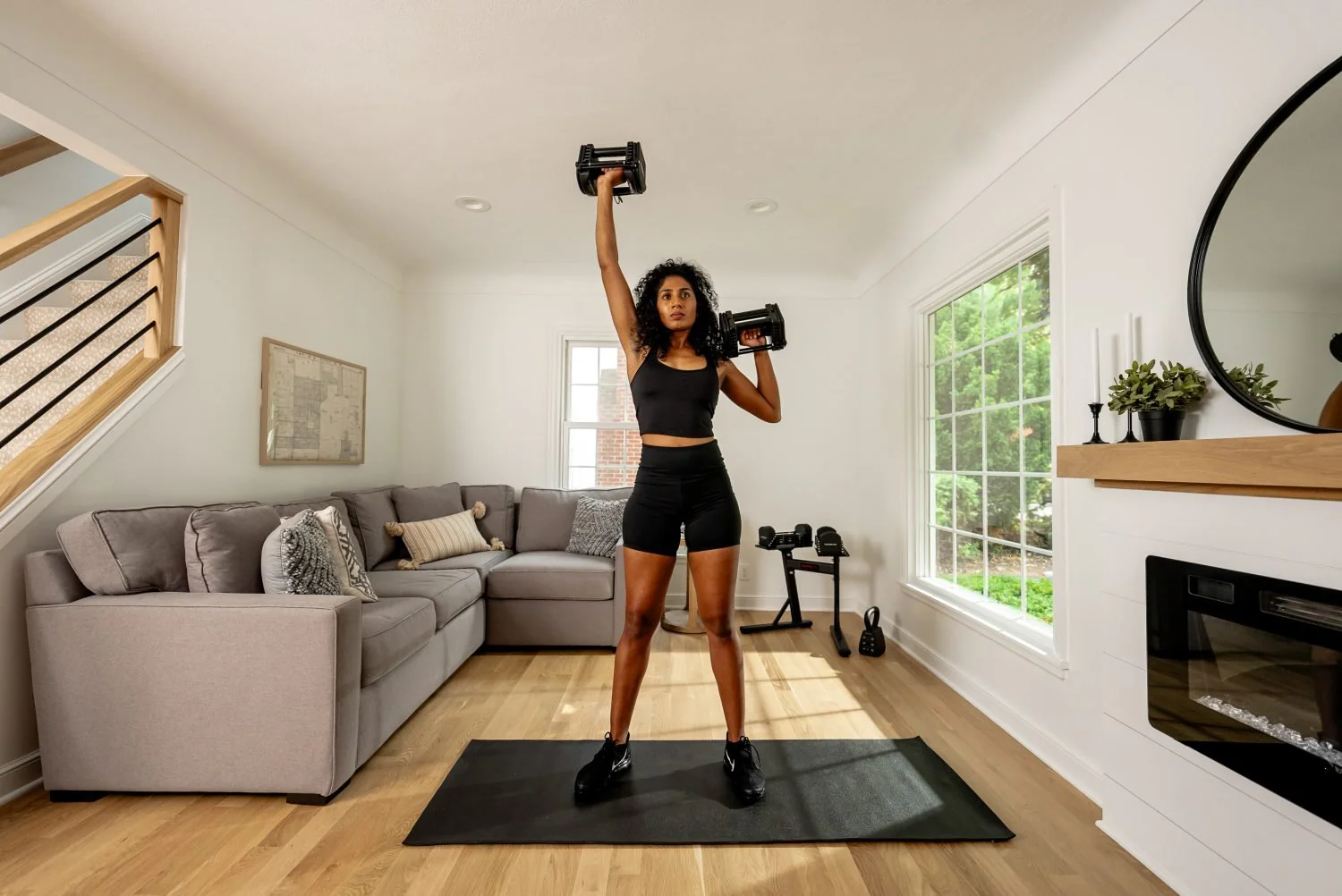
The dream of a dedicated home gym often brings to mind visions of expansive rooms filled with expensive machines, heavy racks, and high-end flooring. However, the reality is that an effective fitness space is not defined by the price tag of its equipment, but by the consistency of the work performed within it. Creating a functional workout area on a budget is not only possible; it is often the most practical path to long-term health, as it eliminates the recurring costs and logistical hurdles associated with traditional gym memberships. By prioritizing versatility and minimalist design, you can transform almost any corner of your home into a personal sanctuary for movement.
Defining Your Fitness Philosophy
Before purchasing a single piece of equipment, you must define the type of training you intend to perform. Many people make the mistake of buying equipment based on aspiration rather than reality. If you know you enjoy strength training, your budget should be directed toward resistance-based tools. If you prefer high-intensity cardiovascular work, your focus should be on gear that facilitates movement efficiency.
Start by auditing your goals. Do you want to build muscle, improve your cardiovascular health, or increase your flexibility? Understanding your focus allows you to be ruthless with your spending. A budget-friendly home gym succeeds through intentionality; every item must earn its place by being versatile enough to support your primary training style. By avoiding the clutter of single-purpose machines, you not only save money but also preserve the limited space that is often available in a residential environment.
The Foundations of a Minimalist Setup
A high-quality home gym requires very little in the way of capital investment. In fact, some of the most effective training tools are also the most affordable. When building on a budget, look for items that utilize your own body weight or provide multi-planar resistance.
-
Adjustable Dumbbells: While traditional iron plates are effective, they consume significant space and can be expensive. Adjustable dumbbells are a game-changer for the budget-conscious athlete, providing a range of weights in a single, compact unit.
-
Resistance Bands: Perhaps the most underrated tool in the fitness world, resistance bands are incredibly inexpensive, take up zero shelf space, and offer variable resistance that is excellent for both strength building and rehabilitation.
-
A Solid Floor Mat: Never underestimate the importance of a decent mat. It provides the necessary cushion for floor-based movements, protects your flooring, and clearly defines your workout zone. Look for high-density foam options that offer stability rather than excessive softness.
-
A Pull-Up Bar: If you have a door frame, you have a gym. A sturdy, removable pull-up bar is one of the most effective ways to perform compound upper-body movements without taking up any floor space.
Scouting for Equipment Without the Premium
There is a significant secondary market for fitness equipment that is often overlooked. Many people purchase expensive gym gear with the best intentions, only to have it sit unused for months. This creates a wealth of opportunity for those who are willing to look.
Check online marketplaces and local community groups for people selling high-quality equipment at a fraction of the original retail price. Fitness gear is durable; as long as the functionality is intact, the cosmetic condition is secondary. You can often find heavy-duty items like kettlebells, weight plates, and benches for a fraction of what they cost new. When buying used, prioritize structural integrity over appearance. Ensure that any moving parts function smoothly and that the weight is consistent with your current abilities.
Maximizing Small Spaces Through Design
The challenge of a home gym is often spatial rather than financial. When your budget is limited, you rarely have the luxury of dedicating an entire room to fitness. Instead, you must master the art of the hidden gym.
Vertical storage is your best ally. Use wall-mounted hooks to store resistance bands, jump ropes, and even lighter kettlebells. If you use a folding bench, you can slide it under a bed or into a closet when not in use. By ensuring that your equipment can be put away, you prevent your living space from feeling like a commercial gym, which helps maintain the psychological balance between your relaxation space and your training space.
Lighting and air quality are often ignored in budget setups, but they are crucial for your motivation. Even if your gym is a corner of your bedroom, ensure that you have adequate ventilation and bright, focused lighting. A simple mirror placed on a wall or behind a door can also make a small space feel significantly larger and help you monitor your form during complex movements, which is a low-cost way to upgrade your training experience.
The Value of Bodyweight Training
When your budget is zero, your body is your gym. Bodyweight training—calisthenics—is one of the most effective and challenging ways to build strength, power, and coordination. By mastering movements like push-ups, squats, lunges, planks, and glute bridges, you can achieve world-class fitness without ever spending a cent on gear.
To keep bodyweight training fresh, focus on progression. If a standard push-up becomes easy, switch to an incline or decline variation. If a standard squat is too simple, explore unilateral movements like the Bulgarian split squat or the pistol squat. The goal is to continuously challenge your nervous system and muscles by changing the leverage and the difficulty of the movement, rather than just adding more weight. This philosophy ensures that your fitness journey remains progressive and sustainable, regardless of how much you have spent.
Sustaining Motivation in Your Private Space
The final component of a successful home gym is the mental framework you bring to it. Without the external accountability of a gym environment, you must build your own rituals. Designate specific times for your training, and prepare your space in advance. If you have to spend fifteen minutes setting up your equipment every time you want to work out, you will eventually stop working out.
Keep your space simple and ready. When the barrier to entry is low, the likelihood of success is high. By investing in the essentials and maintaining an organized, accessible area, you create a environment that invites movement. Remember that your goal is to build a habit that lasts for years, and a simple, budget-friendly setup is far more likely to support that long-term vision than an over-complicated gym that eventually becomes a storage unit for laundry.
Frequently Asked Questions
What is the most versatile piece of equipment I can buy on a tight budget?
A high-quality set of resistance bands is arguably the most versatile and budget-friendly tool. They can be used for full-body strength training, mobility work, and cardiovascular circuits, and they require almost no storage space.
How do I ensure I am using safe form when working out alone?
Working out without a trainer means you must be extra vigilant. Use a mirror to check your alignment, or record videos of yourself performing movements on your phone. You can then compare your technique to reliable instructional videos to ensure your form is safe and effective.
Is a dedicated gym floor necessary?
It is not strictly necessary, but it is highly recommended. If you are doing floor work, a quality mat is sufficient. If you are lifting heavier weights that might impact the floor, look for affordable interlocking rubber tiles, which can be purchased in small quantities to cover just the area where you are training.
How do I handle training if I have very limited floor space?
Focus on vertical movements and equipment that can be stored easily. Focus your training on exercises like squats, lunges, and overhead presses, which require minimal horizontal space. When not in use, keep all equipment stored vertically or under furniture.
What are some signs that used gym equipment is not worth the purchase?
Avoid any equipment that shows signs of severe rust, structural cracks, or mechanical failure in moving parts like pulleys or hinges. If the equipment is electrical, ensure it is fully functional before money changes hands, as repairing digital components in fitness gear is often more expensive than buying new.
Can I build an effective gym without any equipment at all?
Absolutely. A complete fitness regimen can be built entirely around bodyweight movements, stair climbing, and movements that utilize household furniture like chairs or sturdy surfaces for support. The lack of equipment should never be viewed as a barrier to physical progress.
How often should I re-evaluate my home gym setup?
Review your setup every six months. As you progress, your needs will change. You may find that you have outgrown certain tools or that your training preferences have shifted. This is a great time to sell equipment you are no longer using and reinvest that budget into tools that better align with your current goals.
