
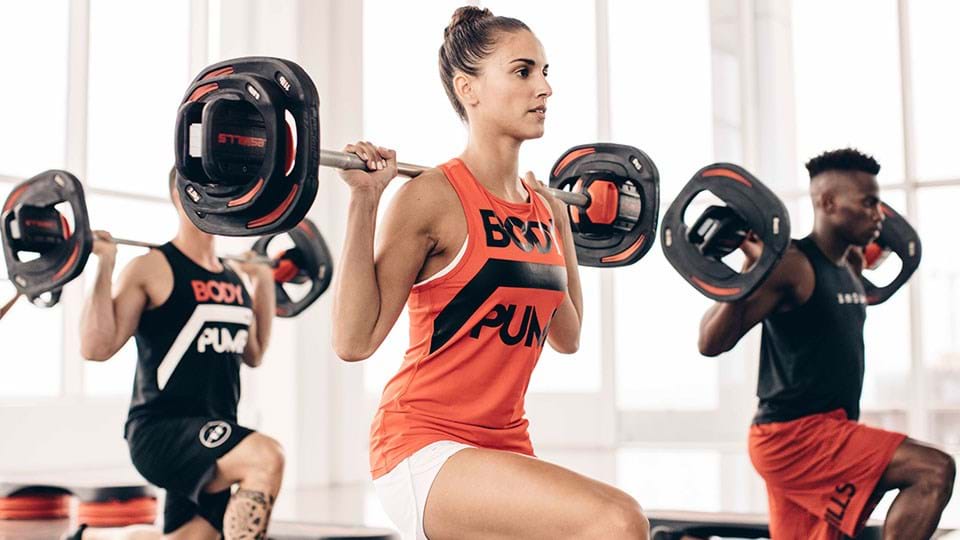
Many gym exercises are performed forward and backward. Squats, lunges, presses and rows are valuable, but daily movement is not restricted to a single straight line. People step sideways in crowded stations, turn to reach for objects, rotate while carrying bags and stabilise themselves when another person changes direction unexpectedly.
Participants attending Les Mills Singapore classes may encounter combinations of forward, lateral and rotational movement. This multi-plane approach can broaden physical competence, provided the movements are selected and scaled with control.
Understanding the Three Movement Planes
The sagittal plane includes movements that travel mainly forwards and backwards. Squats, running, forward lunges and many pressing exercises operate largely in this plane.
The frontal plane describes side-to-side movement. Lateral lunges, side shuffles and certain balance exercises challenge the body to control motion across this plane.
The transverse plane involves rotation. Punching, turning, pivoting and diagonal reaches require the body to manage rotational forces.
Real movement rarely belongs perfectly to one plane. A lateral step may include hip rotation, while a forward lunge may require the pelvis to resist unwanted side-to-side movement. The movement planes are therefore a useful framework, not rigid boxes.
Why Straight-Line Strength Is Not the Whole Picture
A person can be strong in a controlled forward-facing exercise but feel unstable when asked to step sideways or rotate quickly. That does not make the original exercise ineffective. It reveals that strength is partly specific to position, direction and speed.
Training across several planes exposes the body to different force directions. Muscles around the hips, trunk, knees and ankles must coordinate to produce movement while limiting unwanted motion.
This can be especially relevant for recreational athletes. Court sports, hiking, dance, running on uneven surfaces and playing with children all require frequent adjustments outside the sagittal plane.
Multi-plane training can also reveal asymmetries that are less obvious in symmetrical exercises. A participant may turn comfortably in one direction but struggle to control the other. The goal is not perfect symmetry, which is rarely realistic. The goal is enough control to perform the required task without compensation or discomfort.
Movement Variety Must Still Have Structure
More directions do not automatically create a better workout. Random complexity can overload coordination without delivering a clear physical benefit.
A useful multi-plane sequence has an identifiable purpose. It may train lateral force production, rotational control, deceleration or the ability to transition between directions. The participant should understand where to place the feet, how to orient the knees and when to rotate.
Complexity should be added only when the underlying pattern is stable. A lateral lunge can be mastered before it is combined with a quick directional change. A controlled pivot can be learned before speed or load is increased.
This layered approach protects quality. It also helps participants distinguish between a coordination challenge and a strength limitation.
The Hips and Trunk Connect the Planes
Multi-directional movement depends heavily on the relationship between the hips and trunk. The hips produce and absorb force, while the trunk provides a stable platform from which the arms and legs can move.
During a lateral movement, the hip must control the pelvis as body weight shifts from one leg to the other. During rotation, the trunk must distribute movement across the hips, spine and upper body instead of forcing one area to do everything.
A common compensation occurs when a participant lacks hip control and allows the knee to drift unpredictably. Another appears when the pelvis remains fixed and the lower back performs excessive rotation.
Neither issue can be diagnosed from appearance alone. Coaching should focus on the task, the participant’s comfort and whether a simpler option improves control.
Structured classes at True Fitness Singapore can expose members to multiple patterns within a coached environment. The benefit depends on selecting an option that remains stable at the speed of the class.
Multi-Plane Training and Everyday Singapore Movement
Singapore’s built environment creates more directional movement than people may realise. Commuters step around others on platforms, turn through gantries, carry bags through narrow spaces and adjust quickly on crowded walkways.
These tasks are not athletic competitions, but they involve balance and force control. The need becomes more obvious when someone is tired, carrying groceries or moving on a wet surface.
Multi-plane training may improve confidence in these situations by giving the body experience managing lateral and rotational demands. It cannot eliminate the risk of slipping or falling, but it can expand the movement options available when balance is disturbed.
This is particularly relevant with age. Maintaining the ability to step laterally, rotate and recover position may be more useful than focusing exclusively on forward-facing exercise.
The Difference Between Rotation and Rotational Control
Not every effective transverse-plane exercise involves visibly turning as far as possible. Sometimes the training goal is to resist rotation.
For example, a loaded movement may try to pull the trunk to one side. Keeping the torso organised requires anti-rotation strength. During a fast change of direction, the body may need to prevent the pelvis and knee from rotating excessively.
This distinction matters because some participants assume that more twisting creates more core training. Excessive range performed without control may simply move stress into the lower back or knees.
Useful rotational training asks where the movement should come from, where it should be controlled and whether the feet are free to pivot when necessary.
How Fatigue Changes Directional Control
Movement quality often declines differently across the three planes. A participant may retain forward speed but lose lateral control. Rotation may become delayed, or the feet may stop repositioning cleanly.
Instructors can respond by reducing speed, range, impact or movement complexity. Returning to a simpler version allows the participant to preserve the intended direction without rehearsing poor mechanics.
Participants should also notice which movement fails first. If lateral steps consistently become uncomfortable before breathing is heavily challenged, additional hip strength or movement practice may be useful outside class.
Fatigue does not invalidate multi-plane training. It makes progression and coaching more important.
Footwear, Flooring and Available Space
Directional movement places different demands on shoes and surfaces. A shoe that feels comfortable for straight-line running may have a high, soft platform that feels less stable during rapid lateral work.
Participants do not necessarily need specialised footwear, but they should consider grip, lateral stability and fit. The foot should not slide excessively inside the shoe when direction changes.
Floor condition also matters. A clean, predictable surface allows participants to concentrate on movement. Excessively sticky flooring can interfere with pivots, while a slippery surface reduces confidence.
Adequate personal space is equally important. A technically sound lateral movement becomes unsafe if participants are forced to shorten or redirect it to avoid others.
Building Multi-Plane Capacity Progressively
A sensible progression begins with position and control before speed.
First, the participant learns the movement pattern. Next, range is increased while alignment remains stable. Speed, impact or load can then be added. Finally, several directions may be combined.
This sequence does not need to take months. An experienced participant may progress quickly. However, the order remains useful because it prevents complexity from disguising a weak foundation.
A practical self-check is whether the participant can stop the movement deliberately. If momentum determines the finishing position, the exercise may currently be too fast or too complex.
Frequently Asked Questions
Q: Do multi-plane classes replace conventional strength training?
A: No. They complement it. Heavier, controlled strength work can build force capacity, while multi-plane classes challenge the application of that capacity across different directions and speeds.
Q: Why am I less coordinated when turning to one side?
A: Differences in mobility, strength, previous experience and habitual movement may contribute. Practising the weaker direction at a manageable speed is usually more useful than forcing perfect symmetry immediately.
Q: Are rotational exercises unsuitable for people with back pain?
A: Not automatically, but the appropriate range and speed depend on the individual. Persistent or worsening symptoms should be assessed by a qualified healthcare professional.
Q: Can multi-plane training improve balance?
A: It can challenge dynamic balance by requiring controlled weight shifts and directional changes. Static balance and lower-body strength may still need separate training.
Q: Should I wear running shoes for these classes?
A: Some running shoes work well, but very soft or high soles may feel unstable during lateral movement. Fit, grip and side-to-side stability are more important than the shoe’s marketing category.
