
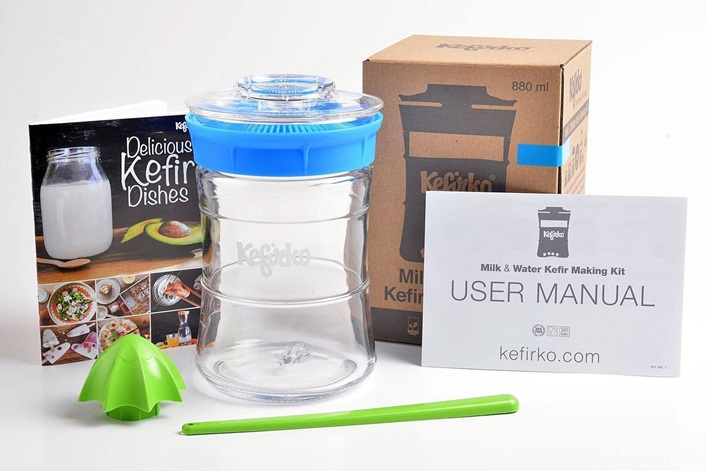
Most people who get into home fermentation don’t plan it out in advance — it tends to start with one culture, usually gifted by a friend or bought on a whim, and gradually grows into a small corner of the kitchen dedicated to jars, cloths, and the occasional bubbling experiment. This guide takes a slightly different approach to the usual “what is a starter culture” explainer, focusing instead on how to actually organise a small home setup that can comfortably support several different cultures at once without them competing for space, attention, or bench room.
Starting With One Culture, Not Five
The most common mistake among new fermenters is trying to start yoghurt, kefir, kombucha, and a vegetable ferment all in the same week. Each culture has its own rhythm, its own smell, and its own maintenance schedule, and juggling several unfamiliar routines simultaneously is a reliable way to lose track of at least one of them.
A more sustainable approach is choosing a single starter culture, running it for two to three weeks until the process feels genuinely familiar, and only then introducing a second. This staggered approach also means any early mistakes — an over-fermented batch, a slightly wrong temperature, a culture that seems sluggish — are easier to diagnose, since there’s only one variable changing at a time rather than several running in parallel.
Yoghurt Culture: A Sensible Starting Point for a New Setup
For anyone setting up their first fermentation corner, a yoghurt culture is usually the most forgiving place to begin. It requires heat rather than room-temperature patience, which actually works in a beginner’s favour — a yoghurt maker or an insulated container with warm water gives a clear, controlled environment that removes much of the guesswork around ambient kitchen temperature.
Because yoghurt culture uses thermophilic bacterial strains that thrive within a fairly narrow, defined temperature range, the finished result tends to be consistent from batch to batch once the setup is dialled in. This consistency makes it an ideal first culture to build confidence with basic fermentation hygiene — sterilising jars, understanding incubation windows, and getting comfortable with the idea of intentionally cultivating bacteria in the kitchen.
Adding Kefir Cultures Once the Basics Feel Familiar
Once yoghurt feels routine, kefir cultures are a natural next addition to a growing fermentation corner. Unlike yoghurt, kefir grains ferment at room temperature without any heat source, which means they can sit alongside — rather than compete with — a yoghurt maker or incubation setup already in use.
The main shift in mindset moving from yoghurt to kefir is care philosophy. Yoghurt culture is typically a defined, purchased blend used fresh each time (though it can be propagated with care), while kefir grains are a genuinely living culture that needs feeding, straining, and ongoing attention indefinitely. Setting aside a dedicated jar and a small non-metal strainer specifically for kefir, separate from other fermentation equipment, keeps this new addition from creating cross-contamination risk or general kitchen clutter.
Making Room for Kombucha Cultures
Kombucha cultures bring a different challenge to a growing home setup: space and patience. A SCOBY needs a wide-mouth vessel of its own, generally left undisturbed on the bench for one to three weeks, which means it needs a semi-permanent spot rather than something moved in and out of a cupboard daily like a yoghurt maker.
Finding a stable, out-of-direct-sunlight corner specifically for kombucha — away from draughty windows and away from other ferments where cross-contamination between cultures could theoretically become an issue — is worth planning for before the SCOBY arrives, rather than improvising a spot for it after the fact. Many home fermenters find that once this dedicated corner exists, expanding kombucha production (multiple jars, different tea bases, staggered brewing schedules for a continuous supply) becomes far easier to manage.
Equipment Worth Buying Once, Not Per Culture
Certain pieces of equipment are worth investing in early, since they get used across nearly every fermentation project rather than being culture-specific. Wide-mouth glass jars in a few different sizes cover most needs from a small kefir batch to a larger kombucha brew. A digital scale helps with anything requiring precise ratios, particularly vegetable ferments where salt percentage matters. Breathable cloth covers and rubber bands are cheap, reusable across every project, and considerably better suited to active fermentation than sealed lids, which can trap gas and create unwanted pressure.
For anyone whose fermentation corner eventually expands into cultured dairy beyond yoghurt and kefir — soft cheeses, labneh, or homemade cultured butter — a bamboo cheese press is a worthwhile addition. Pressing excess whey through natural bamboo slats produces a noticeably firmer, longer-lasting result than straining through cloth alone, and it’s a relatively low-cost way to extend an existing set of fermentation skills into a new category without a major equipment investment.
Organising Multiple Cultures Without Cross-Contamination
Once a fermentation corner is hosting three or four different cultures simultaneously, organisation becomes genuinely important rather than optional. Labelling jars clearly with the culture type and the date fermentation began avoids the common mistake of confusing a nearly-ready batch with one just started. Keeping separate strainers, cloths, and utensils for each culture type — rather than sharing equipment across ferments — reduces the small but real risk of one culture’s microbes interfering with another’s balance.
A simple shelf or dedicated section of bench space, rather than scattering jars throughout the kitchen, also makes daily maintenance far more manageable. Checking on, feeding, or straining several cultures becomes a two-minute daily routine rather than a scavenger hunt through cupboards and countertops.
Building a Maintenance Rhythm Across Multiple Cultures
Different cultures need attention on different schedules, and mapping this out helps avoid neglecting any one of them. Kefir generally needs daily or every-other-day feeding. Kombucha needs checking every few days but otherwise left alone. Yoghurt is typically a batch process — made, consumed, and restarted — rather than an ongoing daily task. Writing out a simple weekly schedule, even informally on a whiteboard near the fermentation corner, helps keep track of what needs attention on any given day once more than one or two cultures are in rotation.
When to Simplify Rather Than Expand
Not every fermentation corner needs to keep growing. Some home fermenters find real satisfaction in mastering one or two cultures deeply rather than maintaining an ever-expanding rotation, and there’s nothing wrong with deciding a kefir habit and an occasional kombucha batch is exactly the right amount of fermentation for a given season of life. Recognising when a setup has reached a comfortable, sustainable size — rather than continuing to add cultures out of momentum — is just as valuable a skill as knowing how to start in the first place.
Frequently Asked Questions
How much space does a proper home fermentation setup actually need?
A single shelf or a metre of bench space is generally enough for two or three active cultures. Kombucha and larger vegetable ferments take up the most room; kefir and yoghurt cultures are comparatively compact.
Is it safe to keep multiple different starter cultures in the same kitchen?
Yes, provided reasonable hygiene practices are followed — separate equipment per culture, clear labelling, and keeping active ferments a reasonable distance apart. Cross-contamination risk is generally low with basic care, though it’s not zero.
Should I start with dried starter sachets or live cultures?
Dried sachets are simpler for a first attempt since they require no ongoing maintenance between uses, while live cultures like kefir grains and SCOBYs offer indefinite reuse in exchange for a small amount of regular care. Many home fermenters use a mix of both depending on the specific ferment.
How do I know if my fermentation corner is getting too crowded?
If daily maintenance starts feeling like a chore rather than a two-minute routine, or if it’s becoming difficult to remember which jar needs attention, it’s usually a sign to consolidate or slow down on adding new cultures until the existing routine feels manageable again.
A well-organised fermentation corner tends to grow naturally over months rather than being built all at once, and that gradual approach is genuinely the more sustainable path. Starting with one culture, building real familiarity with it, and only then expanding keeps the whole process enjoyable rather than overwhelming.
