
Key Takeaways
Plasma donations are lifesaving, providing critical components necessary for various medical treatments, including immunoglobulins and clotting factors. Remarkably, one plasma donation can assist several patients, highlighting its tangible impact on health care.
Healthcare providers have observed that numerous patients undergoing surgeries or treatments, especially those battling hemophilia or autoimmune disorders, experience significant recoveries due to plasma therapies. This underscores the versatility of plasma in addressing a range of medical conditions.
In addition to its health benefits, donating plasma presents financial incentives. Many centers offer compensation to donors, allowing them to earn extra income, often ranging from $200 to $400 per month. Although altruism drives many, the financial benefit plays a substantial role for numerous individuals.
Health perks accompany plasma donation, including routine health screenings that provide valuable insights about donors’ well-being. Regular donors frequently report enhanced feelings of health engagement and positive associations with their well-being.
A variety of patients, including those with immune deficiencies or severe burns, greatly benefit from plasma treatments, resulting in improved health outcomes and successful recoveries. Such therapies often act as lifelines for those dealing with serious health issues.
Community health benefits from plasma donors who foster a supportive culture and commitment to well-being. Their contributions help create a compassionate network, strengthening community ties through shared health initiatives and collective responsibility.
First-time plasma donors should arrive prepared, bringing identification and ensuring adequate hydration to facilitate a smooth donation process. Familiarizing oneself with these steps can alleviate anxiety and enhance the donation experience at centers.
Discover the Life-Saving Potential of Plasma Donation
How Plasma Contributions Save Lives Daily
Every day, countless lives rest on the edge, and plasma donations serve as a lifeline for many in need. Plasma is crucial in treating conditions like hemophilia, liver disease, and severe burns. By donating plasma, individuals join a dedicated community fulfilling urgent medical needs. Healthcare facilities heavily rely on steady plasma supplies. Once donated, plasma can be fractionated into essential components, including immunoglobulins and clotting factors. The result? One single donation can potentially save multiple lives, illustrating how donating blood plasma leads to genuine change.
Who truly reaps these benefits? Patients undergoing surgeries or treatments that deplete their blood components often find themselves at critical junctures. Without adequate plasma, their recovery might stall or lead to severe complications. Research shows hospitals worldwide have documented remarkable recoveries directly linked to plasma therapies. This highlights that plasma isn’t merely a liquid in veins; it’s vital for healing.
Exploring the Impact of Plasma in Medical Treatments
In reviewing plasma’s role within modern medical treatments, the versatility of plasma therapy stands out prominently. It serves a range of purposes, from immunotherapy for cancer patients to treating rare autoimmune disorders. Plasma is more than just a necessary liquid; it’s immensely significant. Experts assert that advancements in plasma-derived products have changed the treatment landscape dramatically. Patients benefiting from these therapies often report fewer complications and improved health outcomes.
- Trauma care: Plasma plays a vital role in shock and trauma management.
- Chronic conditions: Individuals with ailments like hemophilia depend on clotting factors derived from plasma.
- Burn treatment: Plasma aids in fluid replacement for those with severe burns.
- Infectious diseases: Antibodies derived from plasma help foster immunity against infections.
This isn’t mere theory; real-world applications consistently demonstrate life-saving results. Healthcare providers regularly emphasize plasma’s powerful impact. Beyond just medical treatments, it opens hopeful doors for recovery for individuals facing daunting challenges.
Uncovering the Surprising Perks of Donating Plasma
Financial Incentives: What You Might Not Expect
Many often forget to consider the financial benefits of donating plasma. Yes, donors can receive compensation for their time and effort. Most donation centers offer monetary incentives, and while the primary motivation should always be the desire to help others, financial considerations shouldn’t be dismissed. For students or individuals on a tight budget, plasma donation can provide a feasible source of supplementary income.
- Check local listings to familiarize oneself with varying rates — each center has different compensation structures.
- Reports from many donors indicate earnings of $200 to $400 monthly or more from regular donations.
- Many centers increase incentives for first-time donors or those who donate frequently.
Clients often find that the time spent donating, usually around 90 minutes per session, results in a worthwhile financial return. While helping those in need, they also support their own financial well-being. This dual advantage creates a win-win situation.
Health Benefits You Gain from Plasma Donation
Donating plasma isn’t just about altruism; it can also encourage greater awareness of personal health. When individuals participate in donating blood plasma, they undergo routine health screenings that can provide useful insights into their overall wellness. Regular donors may also become more engaged in healthy habits as they take an active interest in maintaining their well-being.
- Routine health checks: Each donation includes essential health screenings.
- Hydration awareness: Donors are encouraged to drink plenty of fluids before and after donating, supporting proper hydration.
- Ongoing wellness awareness: Regular donations can encourage individuals to pay closer attention to their general health and lifestyle habits.
For many regular donors, this health-focused aspect adds another meaningful dimension to the donation experience. They can feel actively involved in supporting others while also becoming more mindful of their own wellness. This connection between plasma donation and health awareness can create a positive experience for both donors and recipients.
Who Can Benefit from Donating Plasma?
The Role of Plasma in Treating Specific Conditions
A broad spectrum of patients derives immense benefits from plasma treatments. Those grappling with immune deficiencies or chronic illnesses often rely on therapies derived from plasma. For these patients, plasma offers critical resources paving the path toward improved health outcomes.
- Patients with severe burns often depend on plasma for recovery support.
- Individuals with clotting disorders gain access to vital clotting factors.
- Those undergoing surgeries find plasma transfusions beneficial.
Diving deeper into specific case studies reveals remarkable success stories of individuals who received plasma treatments during their most challenging times. The emotional significance is profound; it serves as a tangible lifeline.
How Donors Become Heroes in Their Communities
Often, plasma donors are unsung heroes, making a considerable impact in their communities. While some may not regard themselves as heroes, the act of donating plasma reflects a selfless contribution capable of inspiring others. Communities that actively promote plasma donation foster a culture of health and support.
This shared sense of purpose strengthens community bonds. As more individuals choose to donate, the resulting ripple effect is undeniable, forging a compassionate network. Community health initiatives flourish as participants encourage each other in meaningful ways.
“Every plasma donation is a chance to change a life, perhaps one that is dear to you.”
Essential Tips for First-Time Plasma Donors
What to Expect During Your Plasma Donation Visit
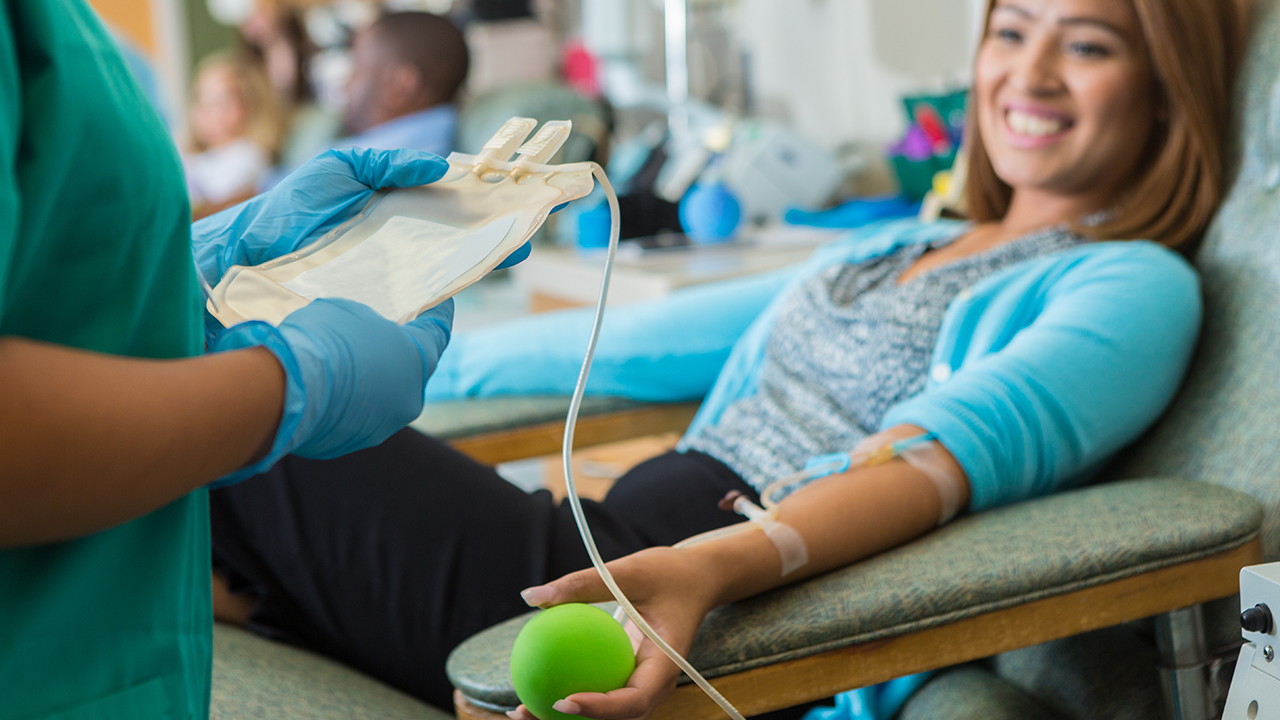
Being prepared for plasma donation can ease anxiety for first-timers. Understanding what one might encounter is crucial. Upon arriving at the plasma donation center, donors will typically be welcomed into a warm environment designed to ensure the process is smooth and comfortable.
- Identification: Bring along a driver’s license or government-issued ID.
- Dress comfortably: Choose attire that allows for easy access to your arms.
- Stay hydrated: Drink plenty of water the day before and the day of donation.
The actual donation process usually lasts about 60-90 minutes. Donors can expect a health screening, where staff will check vital signs and hemoglobin levels before moving forward. This meticulous approach ensures every donation remains safe for both the donor and recipient.
Maximizing Your Experience at Plasma Donation Centers
To enhance the overall donation experience, donors should take proactive measures. Bringing a book or some music can transform the donation time into a personal retreat. Many donors find it beneficial to schedule their appointments during less busy hours, leading to a more tailored experience with the staff. Building rapport with donation center personnel can elevate feelings of comfort and connection, transforming each visit into a meaningful routine.
- Consider becoming a regular donor: This builds routine and often comes with additional benefits.
- Ask questions: Staff members are usually delighted to provide insights and answers.
- Set goals: Establishing personal goals for donation frequency can be motivating.
Embracing the plasma donation experience can be fulfilling. With proper preparation and an open mindset, individuals can not only help others but also uncover unexpected joys throughout the process.
FAQ
What are the eligibility requirements for donating plasma?
To donate plasma, individuals typically must be at least 18 years old, weigh a minimum of 110 pounds, and pass a health screening. Each donation center may have unique guidelines, so verifying local requirements is important.
How often can someone donate plasma?
Experts recommend that individuals can donate plasma up to twice a week, provided they meet all health criteria. However, allowing ample recovery time between donations is crucial for maintaining overall health and well-being.
What happens to the plasma after donation?
After plasma is donated, it undergoes testing for safety and purity, then is processed into various components, such as immunoglobulins and clotting factors. These components are prepared for distribution to hospitals and clinics where they fulfill essential patient needs.
Can certain medical conditions disqualify someone from donating plasma?
Absolutely, various medical conditions may prevent potential donors from donating plasma. Those with infections, chronic illnesses, or specific medications may be ineligible. It’s vital to discuss personal health during the screening process.
What is the process like during a plasma donation?
During plasma donation, medical staff will conduct a health screening, check vital signs, and ensure the comfort of the donor. The actual donation itself takes about 60 to 90 minutes, during which plasma is collected through a sterile needle placed in the arm.
Are there specific guidelines for post-donation care?
After donating plasma, individuals should hydrate well and consume a balanced meal to replenish nutrients. It’s advisable to avoid strenuous activities for the remainder of the day to allow the body ample recovery time.
What are the most common misconceptions about donating plasma?
Many believe donating plasma equates to blood donation; however, plasma donation involves a specialized process. Another widespread misconception is that it is painful. In reality, most donors experience minimal discomfort throughout the donation.
How can someone find a plasma donation center near them?
Finding a local plasma donation center is often as simple as doing an online search or using dedicated plasma donation websites. Many centers provide resources to help locate their facilities, including maps and contact information.
Useful Resources
- American Red Cross– This leading humanitarian organization delivers essential services, including information on blood and plasma donation.
- Plasma Alliance– An organization that educates the public about plasma donation and its critical role in healthcare.
- America’s Blood Centers– Provides insights regarding blood donation and plasma donation centers throughout the U.S.
- AABB– The American Association of Blood Banks offers useful resources and guidelines about blood and plasma donation.
- S. Food and Drug Administration (FDA)– This regulatory authority oversees plasma donation practices and maintains safety standards.
- Canadian Blood Services– Provides information about blood and plasma donation in Canada, highlighting the health benefits associated with donating.
- Plasma Protein Therapeutics Association (PPTA)– Concentrates on the therapeutic applications of plasma and advocates on behalf of plasma donors.
- World Health Organization (WHO)– Offers global guidelines and information regarding blood and plasma donation practices.
