
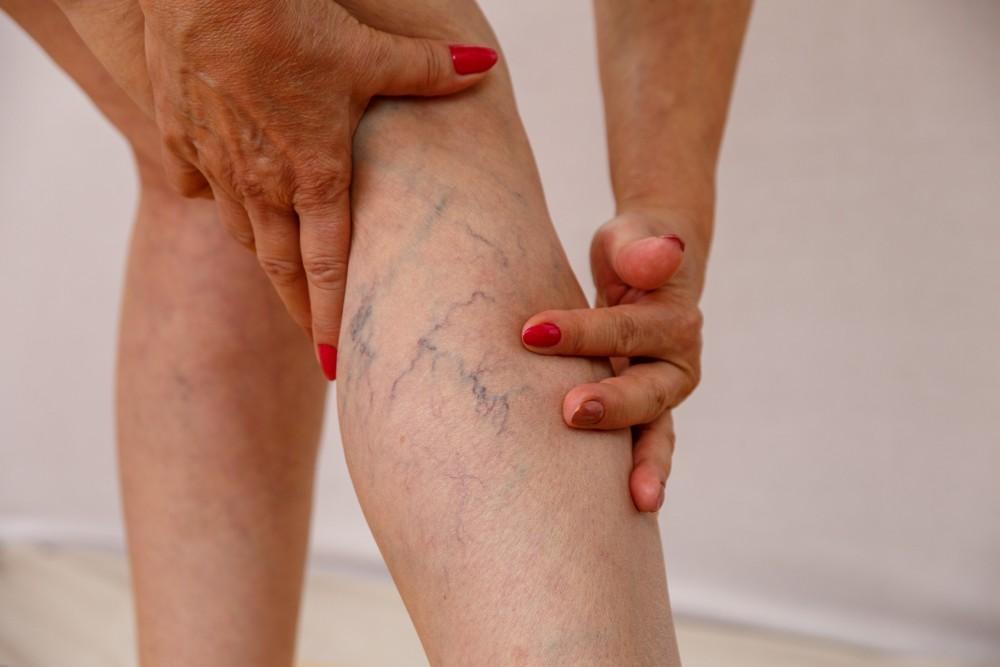
Finding the right team to trust with your vascular health is a decision that extends far beyond credentials on a wall. A truly qualified vein institute provides more than just treatment—they offer a patient-centered approach that prioritizes your long-term health and comfort. But how do you know when you’ve found the right place?
Below are five clear signs that your vein care is being handled by professionals who go above and beyond industry standards.
Board-Certified Specialists Lead the Treatment
The foundation of any trustworthy vein institute begins with its medical leadership. Board certification in vascular surgery, interventional radiology, or phlebology reflects a practitioner’s dedication to evidence-based, specialized care. This expertise translates to accurate diagnoses and treatment plans that are safe, tailored, and effective.
Without certified leadership, even modern technologies can be misapplied or underutilized. Clinics led by general practitioners without focused vascular training may not recognize subtle signs of deeper venous disease, risking under-treatment.
Comprehensive Diagnostics Are Standard Practice
A good clinic never relies on visual examination alone. Instead, it uses high-resolution duplex ultrasound and vein mapping to assess blood flow and vein function. These tools allow providers to locate the source of venous insufficiency, not just treat its cosmetic effects.
Facilities that skip diagnostics or offer treatments without ultrasound guidance may be overlooking the root cause of your symptoms, leading to recurrence and poor outcomes.
Patient-Centered Care Is Embedded in Every Visit
At a top-tier vein institute, patients are not rushed in and out. From your first consultation, you should feel heard, respected, and informed. Clear explanations of your diagnosis, visuals from your scan, and a walk-through of your options are all part of responsible care.
The most reliable clinics understand that treating veins is not a one-size-fits-all solution. They take into account your lifestyle, health history, goals, and comfort level before recommending any procedures.
Minimally Invasive Options Are Prioritized
Advanced outpatient procedures have changed the face of modern vein care. Sclerotherapy, radiofrequency ablation, and endovenous laser therapy offer effective results without general anesthesia or extended downtime. The right vein institute will emphasize these evidence-based techniques and avoid outdated methods such as vein stripping, unless absolutely necessary.
A commitment to minimally invasive care also reflects an understanding of patient needs: faster recovery, less discomfort, and excellent clinical outcomes.
Positive Patient Outcomes and Reputation Speak Volumes
Testimonials and clinical reviews are an honest reflection of a vein clinic’s everyday performance. Pay attention to the details—patients often highlight the precision of diagnostics, the warmth of the staff, and the professionalism of the doctors when leaving truly positive feedback.
To explore a trusted example of patient-centered vein care, visit the vein institute of palm desert, where clinical excellence and compassion meet in every treatment plan.
