
The skincare industry has long been bifurcated into two distinct camps: the natural movement and the clinical approach. For years, consumers have been told they must choose a side. Should they opt for the botanical purity of oils and plant extracts, or should they lean into the precision-engineered power of lab-created compounds? The truth, as is often the case with personal health, lies in the middle. True skin health is rarely the result of a dogmatic adherence to one extreme. Instead, it is found through a balanced philosophy that evaluates products based on their safety, efficacy, and suitability for an individual’s unique skin needs.
The Case for Natural Skin Care
Natural skincare is often defined by the use of plant-derived ingredients like essential oils, fruit extracts, clays, and botanical waters. The allure of this approach is deeply rooted in the desire for transparency and simplicity. Proponents argue that the skin is a porous organ, and what we put on it should be as clean and recognizable as the food we eat.
Botanical ingredients offer a vast array of benefits. Many plant extracts possess innate antioxidant properties, which are essential for neutralizing free radicals caused by pollution and UV exposure. Ingredients like rosehip seed oil, aloe vera, and green tea extract have been used for centuries, providing gentle nourishment and soothing relief. For individuals with sensitive skin or those who prefer to avoid synthetic preservatives, these natural offerings can be incredibly effective.
However, the natural category is not without its nuances. The term “natural” is not strictly regulated, meaning it can be used on labels even if the product contains only a small percentage of botanical material. Furthermore, “natural” does not automatically mean “safe.” Many potent natural ingredients, such as certain essential oils or citrus extracts, can be highly irritating or even sensitizing when used in high concentrations. A foundational principle to remember is that nature is powerful, and powerful substances must be used with care.
The Precision of Clinical Skin Care
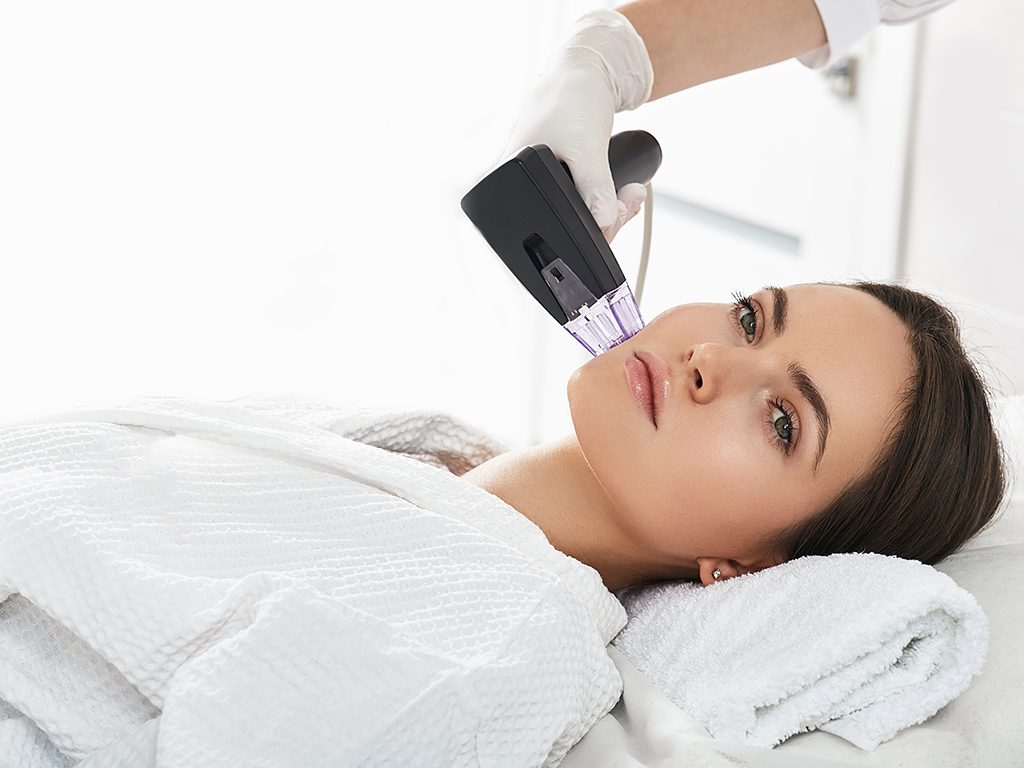
Clinical skincare, often referred to as cosmeceuticals, bridges the gap between traditional cosmetics and medicinal treatments. These products are usually formulated in laboratories, with a focus on delivering active ingredients in concentrations that have been studied for their ability to affect change within the skin.
The primary advantage of clinical skincare is predictability. When you use a clinical product containing a specific percentage of active ingredients like vitamin C, retinol, or alpha hydroxy acids, you know exactly what is hitting your skin. These formulas are often stabilized and buffered to ensure efficacy while minimizing the risk of adverse reactions. For those targeting specific concerns such as deep hyperpigmentation, advanced signs of aging, or stubborn acne, clinical formulations are often the most reliable route.
Clinical skincare is built on evidence. It prioritizes delivery systems—the technology that ensures an ingredient penetrates deep enough to do its job—and emphasizes clinical testing to prove that the product performs as promised. When dealing with complex skin concerns, the precision of lab-developed chemistry is often the difference between seeing results and seeing nothing at all.
How to Find Your Personal Balance
Finding the right balance between natural and clinical is a process of curation. Most healthy skin routines benefit from a hybrid approach that leverages the best aspects of both schools of thought. You do not need to choose a side; you need to choose what works for your specific biological profile.
-
The Cleansing and Toning Phase: This is an excellent space to incorporate natural products. Gentle, botanical-based cleansers can remove impurities without stripping the skin of its essential oils. Many floral waters and herbal toners offer soothing properties that prepare the skin for further treatment.
-
The Targeted Treatment Phase: This is often where clinical ingredients shine. If you are aiming to treat fine lines, discoloration, or acne, look toward clinical actives. Vitamin C, niacinamide, and retinol are workhorse ingredients that have been optimized in clinical formulations to provide visible, repeatable results.
-
The Moisturizing and Protecting Phase: Here, you can blend the two. A clinical moisturizer might provide the structural hydration your skin needs, while a natural facial oil can be used as a final, nutrient-rich sealant to prevent transepidermal water loss.
Evaluating Ingredient Safety and Efficacy
Whether you choose a natural or clinical route, the criteria for evaluating a product should remain consistent. You should prioritize transparency and avoid products that use excessive, non-functional fillers.
A red flag in either camp is the use of fear-based marketing. If a brand promotes its products solely by vilifying all synthetic ingredients, or conversely, by suggesting that anything “natural” is ineffective, be skeptical. Quality brands in both spaces are increasingly transparent about their ingredient sources, their testing processes, and their rationale for using specific components.
Pay attention to your skin’s reaction. The skin is a communicative organ. If a natural oil leaves your skin feeling congested, or if a clinical acid leaves it feeling raw and inflamed, the product is not right for you, regardless of its pedigree. Always introduce new products slowly, testing them in small areas, and track how your skin responds over a two-week period.
The Importance of Professional Guidance
If you are struggling to build a routine that feels both safe and effective, do not hesitate to seek guidance from a dermatologist or a licensed aesthetician. These professionals understand the chemistry of both botanical and clinical ingredients. They can help you identify your skin type—whether it is oily, dry, combination, or sensitive—and determine if your concerns are surface-level or require a more targeted intervention.
A professional can help you avoid the common pitfall of “over-treating.” Often, people who are excited about clinical skincare will use too many potent actives at once, leading to a damaged moisture barrier. A professional can help you structure a routine that cycles these actives, ensuring your skin remains healthy and resilient rather than just “fixed.”
Cultivating a Long-Term Perspective
Skin health is a marathon, not a sprint. The pressure to achieve “perfect” skin in a matter of days often leads to poor decision-making and an obsession with aggressive products. A balanced, hybrid skincare routine is inherently more sustainable because it respects the skin’s need for both active treatment and gentle recovery.
By incorporating natural, soothing elements into your daily regimen, you provide your skin with the rest it needs to handle the more demanding, clinical treatments. This rhythm of “treat and recover” is the hallmark of sophisticated, long-term skin health. As you age, your skin’s needs will shift, and your routine should be flexible enough to evolve with you. By maintaining a balance between the botanical and the clinical, you ensure that you are always providing your skin with what it needs to remain healthy, protected, and vibrant.
Frequently Asked Questions
Is it safe to mix natural and clinical skincare in the same routine?
Yes, it is generally safe, provided you do not layer incompatible ingredients. For example, be careful about layering highly acidic clinical products with certain natural essential oils, as the combination might cause irritation. Apply your clinical actives first to allow them to penetrate, and follow up with natural, oil-based moisturizers.
Can natural products cause allergic reactions?
Absolutely. Many people mistakenly believe that “natural” means hypoallergenic. Botanical ingredients like lavender, citrus oils, and certain nut oils are common allergens. If you have a history of sensitive skin, you should approach natural products with the same caution you use for clinical ones.
What should I look for on a label to verify the quality of natural skincare?
Look for brands that provide full ingredient transparency. A quality brand will list every ingredient and often explain why they are included. Look for certifications that indicate organic farming or sustainable sourcing, which can suggest that the brand cares about the purity of the raw materials they use.
Are clinical skincare products always more expensive?
Not necessarily. Clinical skincare often comes with a higher price point due to the costs associated with research, development, and stability testing. However, some clinical brands offer effective, no-frills formulations that are more affordable than luxury natural brands that rely on expensive marketing and fancy packaging.
Does my skin get “used to” clinical products?
Your skin can build a tolerance to certain ingredients, such as retinol, which is why brands often suggest starting with lower concentrations. However, your skin does not necessarily get “immune” to the benefits. It is more that your skin reaches a plateau where the current concentration is no longer producing dramatic changes, at which point you might consider a higher concentration or a different active.
Why do some natural products have a short shelf life?
Natural products often use fewer synthetic preservatives, which are designed to prevent the growth of bacteria and mold. Without these, natural products are more susceptible to oxidation and contamination. Always check the “period after opening” symbol on your products and store them away from heat and sunlight.
How do I identify a damaged moisture barrier?
If your skin feels tight, looks red, burns when you apply moisturizer, or produces excessive oil to compensate for dehydration, your moisture barrier may be compromised. This is a clear signal to stop all clinical actives and switch to a routine consisting solely of gentle, soothing natural products until the skin has fully recovered.
