
In the modern world, chronic stress has become a pervasive challenge that impacts both mental and physical health. While many turn to conventional medicine or lifestyle changes, ancient healing modalities offer powerful, accessible tools for managing the nervous system. Acupressure, a traditional practice rooted in Traditional Chinese Medicine, is one such technique. By applying targeted pressure to specific points on the body, individuals can influence the flow of energy and trigger the body’s natural relaxation response. This guide explores how you can harness the power of acupressure to alleviate stress, regain balance, and cultivate a sense of calm in your daily life.
Understanding the Foundation of Acupressure
Acupressure is based on the concept of Qi, which is often described as vital life force energy that flows through invisible pathways in the body known as meridians. When this flow is obstructed or unbalanced, it can manifest as physical pain, emotional turmoil, or psychological stress. Practitioners believe that specific points along these meridians serve as gateways to influence the body’s internal state.
Unlike acupuncture, which uses thin needles to stimulate these points, acupressure utilizes the gentle, firm pressure of fingers, palms, or specialized tools. This makes it an ideal self-care practice because it requires no specialized equipment and can be performed virtually anywhere. By stimulating these points, you send signals to the nervous system to shift from a sympathetic state—often called the fight-or-flight response—to a parasympathetic state, which encourages rest, digestion, and recovery.
How to Perform Effective Acupressure
The effectiveness of acupressure relies on consistency and technique. Before you begin, find a quiet space where you can sit or lie down comfortably. Relaxation is key; if your body is tense, your muscles may resist the pressure.
-
Locate the point: Use the provided descriptions to find the correct area. You may feel a slight tenderness or a dull ache when you find the precise spot.
-
Apply firm pressure: Use your thumb or index finger to press steadily. The pressure should be firm but never painful.
-
Use circular motions: Many people find success by using a gentle circular motion while maintaining pressure.
-
Breathe deeply: Focus on slow, rhythmic breathing throughout the process. Inhale deeply through your nose and exhale fully through your mouth.
-
Maintain duration: Hold each point for 1 to 3 minutes. Total session time can range from 5 to 15 minutes depending on your needs.
Essential Acupressure Points for Stress Reduction
Integrating these points into your daily routine can provide significant relief when you feel overwhelmed. Focus on these key areas known for their efficacy in calming the mind.
Union Valley (Large Intestine 4)
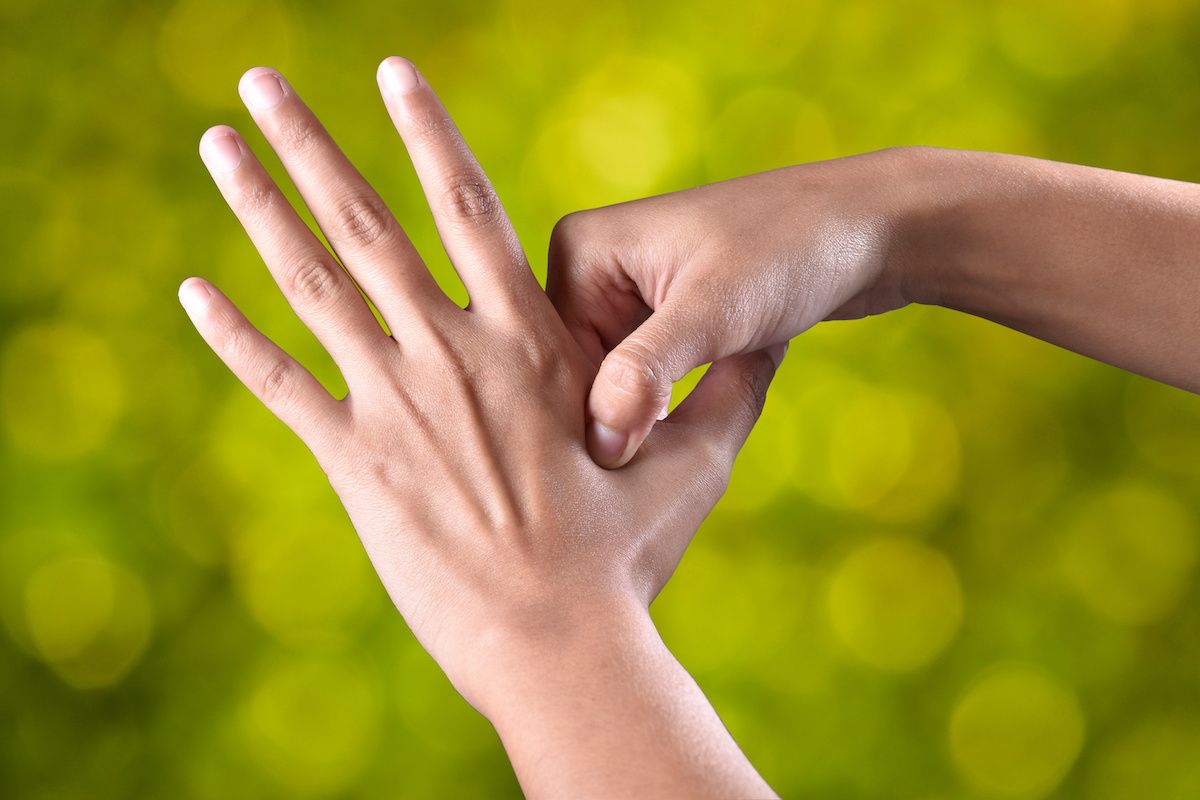
Located in the webbing between your thumb and index finger, this point is perhaps the most famous in acupressure. It is highly regarded for its ability to clear stagnation and relieve tension headaches and facial stress.
To find it, bring your thumb and index finger together. The point is at the highest peak of the muscle that forms between them. Apply pressure toward the bone of the index finger. This point is particularly effective for those who carry stress in their jaw or experience tension-related headaches. Note that this point is generally avoided during pregnancy due to its strong stimulatory nature.
Third Eye Point (Yin Tang)
The Third Eye point is situated directly between your eyebrows, at the indentation where the bridge of your nose meets your forehead. This point is a primary target for calming the mind and reducing mental fatigue.
When you are feeling scattered, anxious, or unable to sleep, gently placing your index finger on this spot and applying light pressure can provide immediate grounding. Many people find that closing their eyes while stimulating this point enhances the calming effect, allowing them to shift focus inward and quiet internal chatter.
Heavenly Pillar (Urinary Bladder 10)
If you hold stress in your shoulders or neck, the Heavenly Pillar points are your best resource. These two points are located about one finger-width below the base of the skull, on the thick neck muscles about a half-inch to the left and right of the spine.
Using both hands, place your fingers on these muscles and apply firm pressure toward the skull. This point is excellent for relieving neck pain, exhaustion, and the mental fog that often accompanies high stress levels. Regular stimulation here can help prevent the accumulation of tension that leads to tension headaches.
Gates of Consciousness (Gallbladder 20)
Located at the base of the skull in the hollow areas between the two large vertical neck muscles, these points are essential for mental clarity. They are often used to treat dizziness, stiff necks, and overall feelings of mental stress.
To stimulate these, cup your hands behind your head and use your thumbs to apply pressure into the hollows. Because this area is sensitive, start with lighter pressure and gradually increase as you feel the muscles release. This is a highly effective point to target at the end of a long workday to transition into personal time.
Integrating Acupressure into Your Lifestyle
Consistency is more effective than intensity. You do not need to spend hours each day practicing. Even a two-minute session during a work break or right before bed can alter your stress trajectory. Consider these strategies for habit formation:
-
The Morning Reset: Use the Third Eye point for one minute upon waking to set a calm intention for the day.
-
The Commute Break: If you are a passenger, use the Union Valley point to release tension built up during the day.
-
The Evening Wind-Down: Before sleeping, spend three minutes on the Heavenly Pillar points to signal to your body that it is time for rest.
-
Pairing with Breathwork: Combine acupressure with box breathing—inhaling for four seconds, holding for four, exhaling for four, and holding for four. This combination acts as a dual-input to the nervous system, rapidly dampening stress responses.
Addressing Potential Safety Considerations
While acupressure is generally safe and non-invasive, it is important to practice common sense. If you have chronic health conditions, heart issues, or are pregnant, consult with a qualified healthcare provider before beginning a new regimen. Never apply pressure over open wounds, burns, swollen areas, or skin infections.
Always listen to your body. If a point feels excessively painful or causes dizziness, stop immediately. The goal is to facilitate relaxation, not to force a physical reaction. If you find that self-acupressure does not provide the relief you are seeking, it may be beneficial to seek out a professional acupuncturist or licensed massage therapist who specializes in acupressure to ensure you are locating and applying the correct stimulation for your specific constitution.
Cultivating Long-Term Resilience
Stress is often a reaction to our environment, but our capacity to handle stress is a skill that can be cultivated. By viewing acupressure not just as a quick fix for a bad day, but as a long-term practice for nervous system regulation, you build resilience. Over time, you may find that your threshold for stress increases and that you can identify the signs of rising tension much earlier, allowing you to intervene before it becomes overwhelming.
This journey is deeply personal. What works for one person may differ from what works for another. Experiment with different points and different times of day to find the combination that best supports your mental and physical wellbeing. By taking agency over your nervous system through these simple, time-honored techniques, you empower yourself to navigate the complexities of life with greater ease and stability.
Frequently Asked Questions
Can I perform acupressure on myself every day?
Yes, you can practice acupressure daily. In fact, many individuals find that regular, shorter sessions are more effective for long-term stress management than infrequent, long sessions. Listen to your body and decrease frequency if you notice any soreness.
How do I know if I am pressing on the right spot?
Most acupressure points are located in small depressions or hollows. When you find the correct spot, you will typically feel a distinct, slightly tender sensation or a dull ache that feels like it travels deeper into the muscle or tissue.
How long does it take to feel the effects of acupressure?
Some people experience immediate shifts in tension and mental clarity, while others may require several days of consistent practice to notice a cumulative effect on their stress levels. Patience and regularity are essential.
Is it necessary to use a lot of pressure?
No, excessive pressure is counterproductive and can cause bruising or muscle fatigue. The goal is to stimulate the underlying tissue. Firm, steady pressure is generally sufficient, and if you are ever in doubt, start with lighter touch.
Can acupressure help with anxiety-induced insomnia?
Many people use acupressure to help transition into sleep. Points like the Third Eye or the Heavenly Pillar can help calm a racing mind, making it easier to drift off, though it is best to avoid highly stimulating points right before bed.
Can children use these acupressure techniques?
Children can benefit from acupressure, but the pressure applied should be significantly lighter than that used for adults. It is best to treat it as a gentle massage. Always consult with a pediatrician before using any alternative therapies on children to ensure it is appropriate for their age and health status.
