
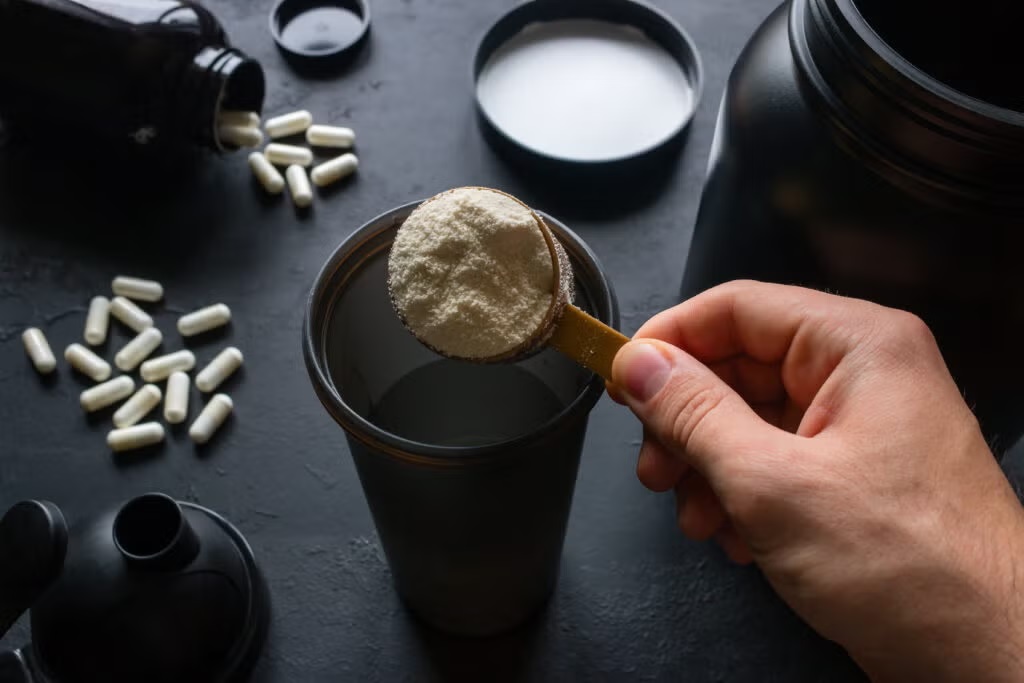
In today’s fast-paced world, where dietary habits can be inconsistent and nutritional demands ever-evolving, dietary supplements have emerged as a popular means to bridge nutritional gaps and promote health. From vitamins and minerals to herbal extracts and amino acids, supplements have become a staple in many wellness routines. Yet, amidst a sea of options and claims, understanding what supplements truly offer—and when they are necessary—requires thoughtful consideration and evidence-based insight. This article delves into the multifaceted realm of dietary supplements, exploring their benefits, limitations, safety concerns, and best practices for integration into a balanced lifestyle.
Defining Supplements: What Are They and Why Do People Use Them?
Dietary supplements encompass a broad range of products designed to supplement the diet. These include vitamins, minerals, herbs, amino acids, enzymes, and other substances intended to enhance nutritional intake or support specific physiological functions.
People turn to supplements for various reasons:
-
To address nutrient deficiencies or increased nutritional needs
-
To enhance athletic performance or recovery
-
To support immune function or cognitive health
-
To manage specific health conditions or improve overall vitality
While supplements are not meant to replace whole foods, they can provide targeted nutritional support in certain contexts.
Common Types of Supplements and Their Purposes
Understanding the primary categories of supplements helps clarify their roles and benefits:
-
Vitamins: Essential organic compounds such as vitamin D, B-complex vitamins, and vitamin C that support myriad biochemical processes.
-
Minerals: Inorganic elements like calcium, magnesium, and iron crucial for bone health, oxygen transport, and enzymatic functions.
-
Herbal Supplements: Plant-derived compounds including echinacea, ginseng, and turmeric, often used for their anti-inflammatory or immune-modulating properties.
-
Amino Acids and Proteins: Building blocks of muscle and enzymes; popular among athletes and those seeking muscle maintenance.
-
Probiotics: Live beneficial bacteria that promote gut health and influence immune response.
-
Specialty Supplements: Such as omega-3 fatty acids, antioxidants, and coenzyme Q10, designed to target specific health concerns like cardiovascular or neurological health.
The Science Behind Supplementation: When Is It Necessary?
While a well-rounded diet typically provides essential nutrients, certain conditions or life stages may warrant supplementation:
-
Nutrient Deficiencies: Diagnosed deficiencies, such as iron-deficiency anemia or vitamin D insufficiency, often require targeted supplementation.
-
Pregnancy: Increased needs for folic acid, iron, and calcium to support fetal development.
-
Aging: Older adults may need supplements like vitamin B12 and calcium due to decreased absorption or dietary restrictions.
-
Dietary Restrictions: Vegans, vegetarians, or individuals with food allergies might lack specific nutrients.
-
Health Conditions: Chronic illnesses or medications can impair nutrient absorption or increase requirements.
In such scenarios, supplements serve as vital adjuncts to promote health and prevent complications.
Evaluating Supplement Quality and Safety
Unlike pharmaceuticals, dietary supplements are regulated less stringently, which raises concerns about product quality, efficacy, and safety. Consumers should be mindful of the following:
-
Third-Party Testing: Opt for supplements verified by independent organizations such as USP, NSF, or ConsumerLab to ensure potency and purity.
-
Ingredient Transparency: Avoid products with undisclosed additives, fillers, or proprietary blends lacking clear composition.
-
Dosage Accuracy: Excessive intake of certain nutrients can lead to toxicity; follow recommended dosages.
-
Interactions: Some supplements can interact with medications or medical conditions, necessitating professional consultation.
Potential Risks and Misconceptions
Despite their benefits, supplements are not without risks:
-
Overuse or inappropriate use may lead to adverse effects or nutrient imbalances.
-
Some herbal supplements may have potent pharmacological actions, causing side effects or interactions.
-
Supplements should not substitute for medical treatment of serious conditions.
-
The misconception that “natural” equates to “safe” can lead to misuse.
Educating oneself and seeking expert advice are paramount to mitigating these risks.
Best Practices for Incorporating Supplements into Daily Life
To maximize benefits and ensure safety, consider these guidelines:
-
Consult Healthcare Professionals: Before starting any supplement, especially if pregnant, nursing, or managing chronic diseases.
-
Prioritize Whole Foods: Supplements should complement, not replace, nutrient-rich foods.
-
Start Slowly: Introduce one supplement at a time to monitor tolerance and effects.
-
Maintain Records: Keep track of supplement types, doses, and any changes in health status.
-
Stay Updated: Science evolves, and so do recommendations; remain informed about new research.
The Future of Supplementation: Personalized and Evidence-Based Approaches
Advancements in nutrigenomics and personalized medicine are revolutionizing supplementation by tailoring recommendations to individual genetic profiles, lifestyle, and metabolic needs. This precision approach promises greater efficacy and minimized risks, marking an exciting frontier in nutrition science.
Conclusion: Supplements as Tools, Not Panaceas
Dietary supplements, when used judiciously and informed by sound science, offer valuable support to overall health and well-being. However, they are merely one piece of the complex nutritional puzzle. Emphasizing balanced diets, active lifestyles, and professional guidance creates the optimal foundation upon which supplements can build.
In an era saturated with wellness trends and marketing claims, cultivating critical thinking and personalized strategies is the key to harnessing supplements’ true potential. By doing so, we empower ourselves to make deliberate choices that foster lasting vitality and resilience.
