
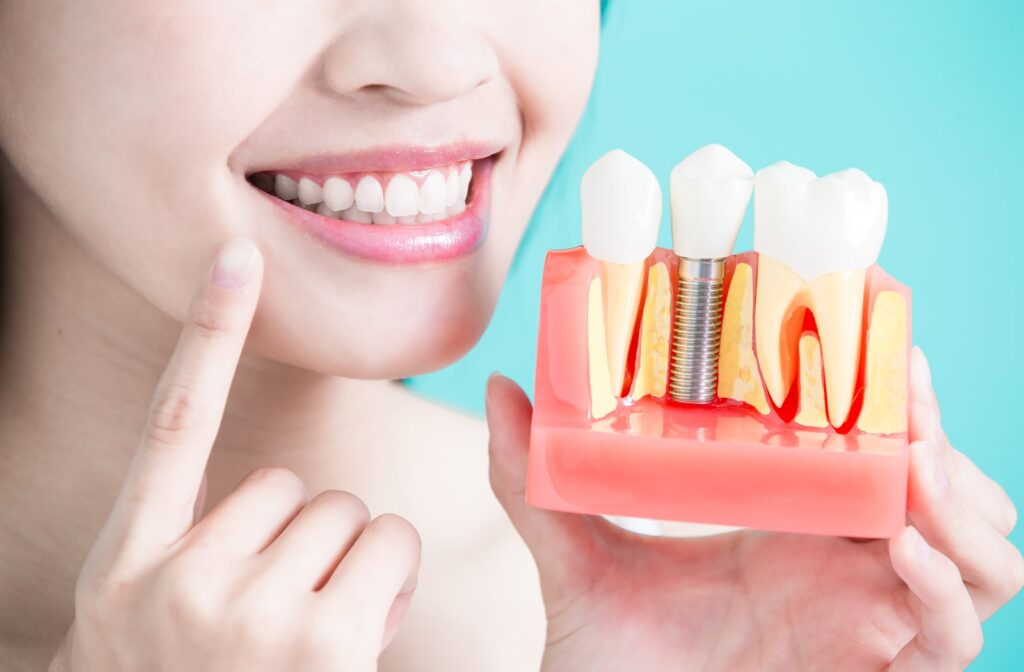
Replacing a missing tooth is rarely just about appearance. It affects biting, speech, cleaning habits, and long-term confidence in everyday situations. Dental implants are often presented as a single treatment, but successful results depend on a sequence of careful decisions made before, during, and after surgery. Patients who understand that process usually make better choices and recover with fewer surprises.
The seven steps behind successful implant treatment are not only clinical milestones. They also reflect how dentists plan around bone health, gum condition, timing, lifestyle, and maintenance.
A cosmetic dentist from MaryleboneSmileClinic advises that patients should treat implant care as a staged process rather than a quick fix. In their view, the strongest results usually come from thorough assessment, realistic timelines, and a clear maintenance plan from the start. They add that anyone researching dental implant London options should pay close attention to the quality of diagnostics and follow-up, not simply the treatment headline or price.
Step One: Start With Diagnosis, Not Assumptions
The first step is not placing an implant. It is understanding why the tooth was lost, what condition the surrounding tissues are in, and whether the mouth is ready for treatment. A missing tooth may have followed trauma, decay, gum disease, a failed root canal, or an extraction years ago. Each of those histories changes the plan. Dentists need to assess gum health, bone levels, bite forces, smoking habits, and medical factors such as diabetes or medications that affect healing.
This diagnostic stage often includes detailed scans, photographs, and impressions or digital records. A three-dimensional scan can show bone width, nerve position, sinus anatomy, and the angulation needed for a stable implant. Without that information, treatment becomes guesswork. The specialist is not only asking whether an implant can be placed, but whether it can be placed in the right position for long-term function and appearance.
Patients sometimes arrive expecting an immediate answer about cost and timing. While those issues matter, the better question is whether the site is straightforward or complex. An upper front tooth lost after trauma is very different from a lower molar removed because of infection, and both are different again from multiple missing teeth in a patient with a history of clenching. Early clarity at this stage prevents disappointment later. Successful treatment begins when diagnosis is detailed enough to predict likely challenges before they appear.
Step Two: Prepare the Mouth Before Surgery
Once the diagnosis is clear, the second step is preparation. This is where many successful cases are either strengthened or undermined. If gums are inflamed, oral hygiene is inconsistent, or untreated decay remains elsewhere in the mouth, implant surgery may need to wait. An implant cannot compensate for a mouth that is not yet healthy enough to support it. The surrounding gums and bone must be prepared to heal predictably.
Preparation may involve cleaning, periodontal treatment, replacing failing restorations, or extracting a damaged tooth in a controlled way that preserves bone. In some cases, the site needs grafting to improve volume before an implant can be placed safely. In others, the dentist may adjust the bite or review a patient’s grinding habit to reduce future overload. These details may feel indirect to the patient, but they are central to the final result.
This stage is also when expectations should be tested. If the patient wants a tooth to look identical to the original, especially in the front of the mouth, the specialist may explain the limits imposed by gum shape, lip line, or tissue loss. If the aim is purely functional, the approach may be different. Good preparation means the patient understands the trade-offs before surgery starts. It also creates a cleaner, more stable foundation for healing. People who invest time here often reduce the need for corrective work later, which is one reason treatment planning matters as much as technical skill.
Step Three: Choose the Right Timing and Placement Strategy
The third step is deciding when and how to place the implant. Not every case follows the same timetable. Some implants can be placed immediately after extraction, while others benefit from a healing period first. The decision depends on infection levels, bone condition, gum stability, and the position of the tooth. Immediate placement can shorten treatment in suitable cases, but it is not automatically the better option. A slower route is sometimes the safer one.
Precision matters because implants are prosthetically driven. That means the position should suit the future crown or bridge, not simply the available bone. An implant that is slightly too far forward, too deep, or too angled may still integrate with bone, yet create a restoration that is difficult to clean or awkward in appearance. This is why surgical guides and digital planning have become so valuable. They improve accuracy and reduce avoidable compromise.
At this stage, patients benefit from understanding that surgery is only one part of the treatment. A technically successful placement still has to support a natural-looking and durable final tooth. For front teeth, millimetres matter. For back teeth, bite forces matter. For full-arch cases, the relationship between several implants becomes critical. A specialist will weigh whether the site needs grafting, whether temporary teeth are advisable, and whether loading should be immediate or delayed. These are not small details. They shape the difference between a restoration that merely fills a gap and one that behaves well for years.
Step Four: Protect Healing and Osseointegration
After placement, the fourth step is healing. This is the period when the implant bonds with bone, a process known as osseointegration. Patients often underestimate how important this stage is because the most visible part of treatment seems complete. In reality, healing determines whether the implant becomes a secure, functional base for the final restoration. That is why aftercare instructions are not routine formalities; they are part of the treatment itself.
The basics are familiar but important: keeping the area clean, avoiding trauma, attending review appointments, and following advice on food, smoking, alcohol, and strenuous activity. Where a temporary tooth is worn, it may need to be kept out of full biting contact. Pressure at the wrong moment can interfere with stability. The same applies when patients return too quickly to habits such as chewing hard foods on the treated side. A good result can be placed at risk by impatience during recovery.
Healing is also where systemic factors show their influence. Poorly controlled diabetes, heavy smoking, persistent gum inflammation, or inconsistent cleaning can slow recovery and increase complications. That does not mean treatment automatically fails in these circumstances, but it does mean risk management becomes more important. In a city where patients often want quick turnaround, the message is simple: biological healing does not speed up because a diary is busy. The strongest implant outcomes usually come from respecting the body’s timetable and keeping review care consistent while the site matures.
Step Five: Build the Final Tooth Around Function and Appearance
The fifth step is restoration, when the implant receives its crown, bridge, or denture connection. Patients often see this as the exciting stage because it produces the visible result. Yet the final tooth should not be judged on looks alone. It must also be stable in the bite, comfortable to chew with, easy to clean, and shaped to support the gums rather than irritate them. A restoration that appears attractive but traps plaque or overloads the implant is not a long-term success.
The dentist will assess shade, contour, gum emergence, and how the new tooth meets the opposing teeth. In single-tooth cases, matching neighbouring teeth can be challenging, particularly in the upper front area where light, translucency, and gum levels are obvious. In back teeth, strength and load distribution may take priority over cosmetic fine detail. Either way, the restoration should be designed around the individual patient rather than selected as a standard template.
This is also where communication between clinician, laboratory, and patient matters. Photographs, digital scans, and trial restorations can help refine the final outcome. People searching for dental implant London treatment often focus on the surgical side, but the visible result depends just as much on restorative planning. A well-positioned implant still needs a well-made crown. That crown must work with the patient’s smile, speech, and bite pattern every day. When restorative details are handled carefully, the treatment stops feeling like a replacement component and starts feeling like part of the mouth again.
Step Six and Step Seven: Commit to Maintenance and Review the Bigger Picture
The final two steps are maintenance and long-term review. They are often grouped together because the implant journey does not truly end when the crown is fitted. Implants do not decay like natural teeth, but the gums and bone around them can still become inflamed. Plaque control remains essential, and cleaning around the implant may require adapted brushing techniques, interdental aids, or hygienist support. Patients who assume an implant is maintenance-free often create avoidable problems.
Regular reviews allow the dentist to monitor gum health, bone stability, bite changes, and the condition of the restoration itself. Small issues can often be corrected early, whether that means adjusting the bite, tightening a component, improving home care, or treating inflammation before deeper damage develops. This matters even more for patients who grind their teeth, smoke, or have a history of periodontal disease. Ongoing supervision is not a sign that treatment is uncertain. It is how successful treatment stays successful.
The broader picture is that implant dentistry works best when patients see it as part of oral health, not separate from it. The seven steps are simple in principle: diagnose carefully, prepare thoroughly, place precisely, protect healing, restore intelligently, maintain consistently, and review regularly. That sequence explains why the best results tend to feel calm and methodical rather than dramatic. In practice, successful implant treatment in London is usually built on planning, precision, and patient commitment. When those three elements stay aligned, an implant can do far more than fill a gap. It can restore reliable function, support confidence, and remain a stable part of everyday life for many years.
